Introduction to Bulk Waste Generator (BWG) Compliance
BWG Compliance ensures large waste generators follow SWM rules for segregation, on-site processing, and responsible disposal in India
Who Qualifies as a Bulk Waste Generator (BWG) in India
-
Housing societies, townships and gated communities generate 100 kg or more of solid waste per day.
-
Hotels, malls, restaurants, hospitals, and corporate offices exceeding area or daily waste thresholds.
-
Factories, IT parks and campuses crossing 100 kg per day, 20,000 sq m floor area or 40,000 litres daily water use.
Choosing the Right BWG Compliance Measures
-
Start with a waste audit to understand bulk waste generator meaning, waste quantity and composition.
-
Create BWG source segregation compliance systems for wet, dry, sanitary and hazardous streams.
-
Select suitable BWG onsite waste processing compliance options like composting, bio digesters or organic waste converters.
-
Align operations with bulk waste generator SWM rules compliance timelines set by local bodies.
Step by Step BWG Compliance Checklist for Owners and Facility Managers
-
Map all waste generation points (kitchen, canteen, rooms, shops, landscaping) and measure daily quantities.
-
Implement color coded bins and signage to meet BWG dry and wet waste segregation norms at source.
-
Finalize on site treatment technology such as an In vessel composting system or bio methanation plant.
-
Designate a responsible team or facility manager for BWG waste management compliance and record keeping.
-
Sign service agreements with authorized vendors for dry waste, e waste and sanitary waste collection.
-
Maintain daily logs, photographs and invoices to prove BWG SWM Rules 2016 compliance and bulk waste generator SWM Rules 2026 obligations.
-
Train staff, vendors and residents regularly on bulk waste generator waste segregation at source rules.
Penalties, Fines and Legal Risks for Non Compliance
Bulk Waste Generator compliance is now legally enforceable under SWM Rules 2016 and updated SWM Rules 2026.
Local bodies can impose spot fines, environmental compensation and even disconnect services for repeated violations.
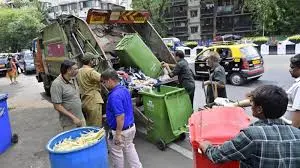
BWGs sending mixed waste to municipal trucks instead of on site processing can face:
-
Daily monetary penalties as per city bylaws
-
Legal notices from pollution control boards
-
Suspension of trade licenses in extreme cases”
Mandatory Composting Rules for BWGs (2025–26 Focus)
-
Organisations generating more than 100 kg per day of wet waste must treat it on site under new government waste rules.
-
No organic waste should be sent to landfills or dumped in open areas by compliant bulk generators waste management systems.
-
Municipalities now push BWG zero landfill waste management compliance through strict inspections.
-
Approved methods include composting, high speed machines, bio digesters and Decentralized Waste Management Systems.
-
Daily data reporting and digital tracking are increasingly mandatory in large cities.
Major Causes of Bulk Waste Generator (BWG) Non Compliance
-
Poor understanding of bulk waste generator meaning, duties and legal responsibilities.
-
Lack of planning for space, power and manpower for on site Waste Management Solutions.
-
Resistance to change from staff, housekeeping teams and vendors used to mixed waste disposal.
-
Perceived high cost of composting technologies and fear of operational hassles.
-
Weak enforcement and delayed notices from some local bodies, leading to complacency.
Operational Strategies to Bulk Waste Generator (BWG) Compliance
-
Adopt a Decentralized Waste Management Systems approach where organic waste is treated within the premises.
-
Use phased implementation: start with pilot blocks or kitchens, then scale to the entire campus.
-
Integrate BWG dry and wet waste segregation norms into housekeeping SOPs and vendor contracts.
-
Monetize recyclables through authorized scrap dealers and producer responsibility organisations.
-
Collaborate with reputed NGOs or technical partners for training and behaviour change.
Choosing the Right On Site Waste Management Partner or Technology
A strong on site partner is central to Bulk Waste Generator BWG compliance and smooth daily operations.
While evaluating service providers or machines, consider:
-
Technology fit: In vessel composting system, aerobic composters, biogas plants or mechanical composting machines.
-
Capacity and scalability: current waste load plus future growth in residents or footfall.
-
Compliance support: documentation, reporting formats and audit assistance for extended bulk waste generator responsibility compliance.
-
After sales and AMC: local service teams, spare parts and training support.
For detailed technical training and best practices, BWGs can refer to the Centre for Science and Environment’s material on waste management by the bulk waste generators and decentralized systems.
They can also refer to the government’s “Bulk Solid Waste Generators” guidebook hosted on the CPHEEO and Swachh Bharat Mission portals.
Challenges in Bulk Waste Generator (BWG) Compliance
|
Challenge |
Brief Description |
|
Space constraints |
Limited area for composting units or waste rooms in dense urban campuses. |
|
Odour and pest fears |
Concerns about smell, flies and rodents around composting sites. |
|
Staff turnover |
New housekeeping staff not trained in segregation and machine use. |
|
Irregular power/water |
Downtime of machines due to unstable utilities in some locations. |
|
Capex and Opex worries |
Upfront investment and ongoing maintenance are perceived as high. |
|
Vendor dependence |
Over reliance on a single vendor for collection or processing. |
|
Weak monitoring |
Lack of dashboards, records and clear accountability matrix. |
Core Compliance Requirements for Bulk Waste Generators
-
Segregate waste at source into wet, dry, domestic hazardous and sanitary streams as per bulk waste generator rules and BWG waste management compliance India standards.
-
Install and operate suitable on site systems to process biodegradable waste within premises under bulk waste generator on-site composting rules.
-
Hand over only segregated dry waste, e- waste and inert waste to authorized agencies as part of extended responsibility for BWGs under SWM 2026.
-
Maintain records of waste generation, treatment and disposal for inspection by local bodies and regulators.
-
Follow local bye laws, user fee structures and city specific bulk waste generator guidelines notified after SWM 2026 updates.
Key Benefits of Bulk Waste Generator (BWG) Compliance
-
Reduced dependence on municipal collection and lower long term disposal costs.
-
Cleaner premises, fewer overflowing bins and improved hygiene for residents, customers and staff.
-
Stronger ESG performance, better sustainability reporting and green branding opportunities.
-
Contribution to citywide landfill reduction and climate goals through BWG zero landfill waste management compliance.
-
Better relations with regulators and smoother approvals for expansions or modifications.
Technologies & Innovations in Bulk Waste Generator (BWG) Compliance
|
Technology/Innovation |
Use Case |
|
Aerobic composters |
On site treatment of kitchen and garden waste for apartments and hotels. |
|
In vessel composting system |
Enclosed, faster composting suitable for dense urban BWGs with limited space. |
|
Biogas plants |
Converting food waste into cooking gas and slurry for large canteens and hostels. |
|
Organic waste converters |
Automated machines for hotels, malls and corporate parks. |
|
IoT based monitoring |
Remote tracking of machine performance and daily waste volumes. |
|
Decentralized Waste Management Systems clusters |
Ward level micro facilities serving nearby BWGs and communities. |
Pros and cons of Bulk Waste Generator (BWG) Compliance
|
Aspect |
Pros |
Cons |
|
Cost |
Long term savings on hauling and tipping fees. |
Upfront investment in equipment and space. |
|
Operations |
Cleaner premises and smoother Waste Management Solutions. |
Needs training, monitoring and behaviour change. |
|
Regulation |
Lower legal risk and strong compliance profile. |
Continuous documentation and audits required. |
Why Need Bulk Waste Generator (BWG) Compliance
India’s waste crisis, overflowing landfills and rising methane emissions demand serious action from large generators.
BWG compliance in India ensures that large waste producing organizations manage their waste responsibly from the very beginning.
Pious BWG waste management compliance also reduces the burden on urban local bodies, freeing public funds for other services.
By following bulk generators waste management best practices, large campuses set a Pious example for residents, staff and neighbouring communities.
How does compliance create business opportunities?
Reliable BWG waste solutions open new Franchise Opportunities, service contracts and technology markets in Industrial Food Waste Management Systems across Indian cities.
Conclusion: Acting Now to Stay BWG Compliant and Future Ready
BWG SWM Rules 2016 compliance laid the foundation for better urban waste management, but SWM Rules 2026 obligations have raised the bar with extended bulk waste generator responsibility compliance.
If you manage a housing society, hotel, hospital, campus or mall, this is the right time to review bulk waste generator SWM rules compliance and close all gaps.
Start with a quick gap assessment, then invest in robust on site systems, staff training and clear SOPs to strengthen BWG onsite waste processing compliance.
Whether you choose an In vessel composting system or other technologies, focus on reliability, documentation and long term BWG zero landfill waste management compliance.
Frequently Asked Questions on Bulk Waste Generator Compliance
-
What is Bulk Waste Generator (BWG) Compliance?
It is the set of legal and operational duties that large waste generators must follow for segregation, on site processing and responsible disposal in India. -
Are on site composting systems mandatory for BWGs?
Yes, most new rules require BWGs generating over notified thresholds to treat wet waste on site or prove alternative approved processing arrangements. -
Can BWGs use off site facilities instead of installing machines?
Only if they have documented tie ups with authorized processing facilities and meet extended bulk waste generator responsibility compliance conditions. -
What are some technology options for BWGs?
BWGs can choose aerobic composters, biogas plants, mechanical organic waste converters and cluster based Decentralized Waste Management Systems.
