Hidden Costs of Modern Waste Management in India
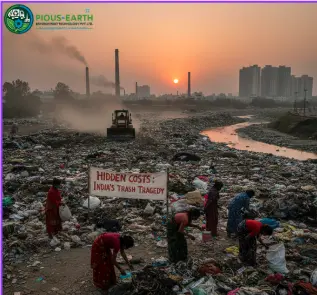
The hidden environmental costs of modern waste management burden India heavily. Our nation generates over 62 million tons of waste yearly, much hidden by the "out of sight, out of mind" approach. This sparks landfill pollution, soaring carbon emissions, and toxic leaks plaguing rivers and soil.
How Modern Waste Management Systems Work
Modern waste management systems in India mix old and new methods. The solid waste management process starts at source segregation.
-
Households sort wet, dry, and hazardous waste per Swachh Bharat rules.
-
Trucks haul to material recovery facilities for modern waste management techniques like composting.
-
Final disposal hits landfills, with modern solid waste management testing bio-methanation.
Environmental Impact of Landfills
Landfills dominate India's waste scene, driving the environmental impact of landfills. Methane emissions from rotting organics fuel 15% of our greenhouse gases. See this table on landfill pollution:
|
Issue |
Impact |
India Stat |
|
Methane Emissions |
Boosts global warming |
18 million tons CO2 yearly |
|
Leachate Pollution |
Poisons Yamuna, Ganga groundwater |
80% sites leach toxics |
|
Land Scarcity |
Eats 0.3% of urban land |
Delhi needs 5 new sites by 2030 |
Hidden environmental costs of modern waste management hit Delhi and Mumbai hardest. Local health suffers from fumes and water woes.
The Hidden Cost of Waste Incineration
Waste incineration pollution stalks Indian cities via waste burning. Air pollution from waste burning spikes PM2.5 levels.
-
Plants in Delhi and Pune burn 10,000 tons daily, releasing dioxins.
-
Waste management system technologies add filters, but NOx emissions rise 20%.
-
Energy output powers grids, yet health costs top ₹10,000 crore yearly.
Why does waste incineration pollution persist? Mixed waste feeds toxics into flames.
Plastic Waste and Ocean Pollution
Plastic waste pollution ravages India's coasts in the ocean plastic crisis. We dump 9,000 tons daily, with 40% hitting seas.
-
Single-use plastics clog Ganga, entering the Bay of Bengal.
-
Microplastics taint fish in Arabian Sea, reaching Mumbai plates.
-
Modern methods of solid waste management lag, recycling just 60%.
How does plastic waste pollution link to hidden environmental costs of modern waste management? Bans help, but enforcement falters.
The Economic and Social Costs of Waste
Waste drains India's economy and health. Check economic impact of waste and public health and waste management ties:
|
Cost Type |
India Annual Figure |
Social Toll |
|
Food Waste Management Cost |
₹92,000 crore lost |
194 million malnourished |
|
Food Waste Disposal Cost |
₹15,000 crore on landfills |
TB cases up 12% near dumps |
|
Organic Waste Disposal Cost |
₹8,000 crore collection |
Women spend 2 hrs daily sorting |
The Real Cost of Food Waste in India
Food waste in India increases municipal costs, landfill use, methane emissions, and public health risks. The PLC Controlled Food Waste Converter reduces food waste management cost by converting organic waste into compost and minimizing landfill burden.
Impact of Food Waste on Restaurants & Commercial Kitchens
-
Restaurants, hotels, and catering businesses face financial losses due to:
-
Food spoilage from improper storage
-
Overproduction and inaccurate demand forecasting
-
Buffet and plate waste
-
Poor inventory management practices
-
Commercial Food Waste Composting helps control losses, as food waste can reduce overall profit margins by 5–8% in commercial kitchens.
-
Sustainable kitchen waste management practices help reduce operational costs, including:
-
Portion control strategies
-
Smart inventory tracking and demand planning
-
Staff training to minimize preparation waste
-
Segregation of organic waste at source
-
Many establishments are adopting organic waste processing solutions such as:
-
On-site composting systems
-
Bio-methanation units for biogas generation
-
These systems convert food waste into:
-
Usable energy
-
Nutrient-rich compost
-
Effective waste management transforms food waste from a financial liability into a valuable resource.
National Economic Burden
At a macro level, food waste impacts India’s economy through:
-
Increased municipal waste handling costs
-
Expansion of landfill infrastructure
-
Public health expenses due to pollution exposure
-
Loss of agricultural inputs such as water, labor, and energy used to produce wasted food
Food waste is not just a disposal issue it represents lost resources across the entire supply chain. Reducing food wastage can significantly improve food security while lowering environmental damage.
Sustainable Waste Management Solutions
Sustainable waste management thrives in India via zero waste solutions. Waste reduction strategies cut urban waste 25%.
-
Decentralized Waste Management Systems fit apartments, processing onsite.
-
In vessel composting system turns wet waste to manure in 15 days.
-
Waste Management Solutions like Pious offer Franchise Opportunities nationwide.
Modern waste management techniques use apps for tracking. Modern technologies for waste management a review praises IoT bins.
Modern trends of waste management push circular models. Waste management technologies include plasma pyrolysis.
Modern solid waste management employs drones for monitoring. Modern technology used in spillage waste management cleans ports fast.
Modern ways of waste management favor bio-enzymes. Industrial Food Waste Management Systems streamline factories.
Composting Machine for Housing Societies costs ₹3-10 lakh. Hospital Waste Composting Equipment ensures bio-safety
Canteen Waste Management for Factories cuts 50% scraps. Green Building Certification Waste Management scores IGBC points.
The Future of Waste Management
The future of waste management in India blends tech and policy. Green waste solutions scale nationwide.
-
Smart bins with sensors optimize food waste collection cost.
-
Blockchain tracks waste from cradle to compost.
-
Bio-plastics and enzymes dissolve stubborn trash.
The modern waste management system will hit EPR goals by 2030. Expect AI for sorting in 50 cities.
Conclusion
Hidden environmental costs of modern waste management threaten India's growth. Adopt sustainable waste management, zero waste solutions, and waste reduction strategies now. Cleaner cities await bold steps.
Frequently Asked Questions About Compost Quality Standards in India
Q: Tell me about Good Compost?
Good agricultural standards and for other purposes compost should have a pH value between 6.0 and 8.0.
Q: How can I test compost quality at home?
Maturity can be further ensured via a seed germination test and earthy smell, with the absence of foul odor.
Q: Can compost be sold without FCO certification?
No, compost must comply with the FCO standards if being marketed as organic fertilizer legally in India.
Q: Why is compost quality important for farmers?
Compost of high quality improves soil fertility, increases crop yield and protects against heavy metal contamination.
Q: What happens if compost contains heavy metals?
Excess heavy metals can damage soil health and make the compost unsafe for agricultural use.
