Introduction to Green Building Certification
Green Building Certification is a process that ensures a building is designed and constructed in an eco-friendly, energy efficient, and sustainable manner. It focuses on reducing energy and water consumption, yet a healthy indoor environment is created. This category is intended to contribute to environmental protection, extraction of financial benefits from long-term costs and enhancement of property values.
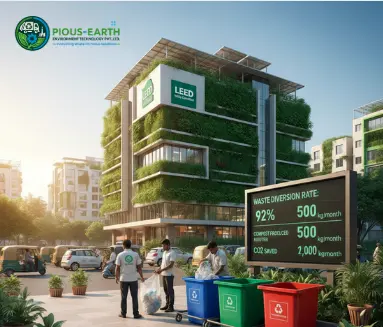
Why Green Certifications Matter in India
The green building certifications in India become unequivocally useful for meeting the standards stipulated for the building; in addition, the green buildings help to cut the operational costs while generating better life support for the occupants.
-
Moreover, green buildings for certification infer obligations relating to the environment for any investor, tenant, environmentalists, or anyone who holds a legal brief relating to construction.
-
The term, green building certification is simple to define: a third-party endorsement that a building is sustainable according to defined criteria.
-
Some of the requirements for green building certification include energy performance, water efficiency, indoor air quality, and waste management.
-
Green building programs like IGBC, LEED, GRIHA endorsed recycling programs like construction and demolition recycling, and operation sustainably.
-
In general, certifications can enhance ESG ratings, equity funding, and support zero waste to landfill certification in India.
Overview of Key Certification Systems
-
The Indian Green Building Council rating system which provides IGBC certification serves as one of the most popular green building rating systems throughout India.
-
The USGBC organization promotes LEED which stands for Leadership in Energy and Environmental Design as an international certification system that establishes green building standards.
-
The Energy and Resources Institute developed GRIHA as an indigenous rating system that assesses integrated habitat performance.
-
The IFC-supported EDGE certification system evaluates green building design through its certification program which targets developing countries.
-
Each system establishes its own certification requirements for green buildings which include construction waste recycling certification credits and green building material resource credits and waste reduction activities in green certification.
Certification Process and Costs
-
The selected green building certification agencies in India receive project registrations from the chosen certification agencies, which include IGBC and GRIHA and LEED India partners.
-
The preliminary documentation phase establishes design‑stage credits through sustainable building waste audits and green certification waste stream analysis.
-
The construction and operations teams must follow green building certification recycling mandates together with environmental waste diversion requirements and green building waste reduction standards.
-
The rating body issues the final certificate after the completion of a third‑party review and site audit, which includes building size and rating level and selected green building certifications as the basis for cost assessment.
Indian Green Building Council (IGBC) Rating System
-
IGBC offers multiple rating tools (IGBC Green New Buildings, IGBC Green Homes, IGBC Green Existing Buildings, IGBC Green Townships, etc.).
-
Each tool includes mandatory and optional credits for green building waste management, construction waste recycling certification, and green office waste practices.
-
Projects must document sustainable construction waste diversion strategies, on‑site decentralized waste management systems, and green building recycling programs.
-
IGBC certified buildings are often used in‑vessel composting systems, composting machines for housing societies, and hospital waste composting equipment where applicable.
-
IGBC also encourages circular waste practices for building certification, such as reuse of construction debris and food‑waste composting.
Additional Certification Systems Used in India
-
LEED India adapts the global LEED rating to Indian climatic and regulatory conditions, including green building certification requirements for waste and materials.
-
GRIHA integrates national energy and environment codes and emphasizes eco‑friendly construction waste management and low‑impact development.
-
EDGE green building certification system focuses on resource efficiency (energy, water, materials) and can support zero waste building certification strategies.
-
Some industrial and healthcare projects also pursue food waste certification or food waste management system certification alongside green building ratings.
How to Choose the Right Green Certification
-
Step 1: Clarify project type (residential, commercial, industrial, healthcare) and budget; this narrows down which green building certification system is widely used in India for your segment.
-
Step 2: Check statutory linkages; some state policies favour GRIHA or IGBC, while multinational clients may prefer LEED or EDGE.
-
Step 3: Map your waste management solutions (e.g., in‑vessel composting systems, decentralized waste management systems, industrial food waste management systems to the rating’s waste‑related credits.
-
Step 4: The waste reduction standards need assessment through the green building certification standards which evaluate waste disposal processes and green building recycling systems and green building resource material credits.
-
Step 5: The organization needs to hire a consultant who understands green building certification systems because they will help establish verified environmental performance standards.
Benefits and Challenges of Green Building Certification
Benefits of Green Building Certification
-
Lower operating costs from efficient water, energy, and green building waste management practices.
-
Improved indoor air quality and occupant comfort, which boosts productivity and tenant satisfaction.
-
Access to incentives such as faster approvals, lower interest loans, and higher rental premiums for IGBC certified buildings.
-
Stronger ESG and CSR positioning, especially when combined with zero waste certification or sustainable waste management certification.
Challenges of Green Building Certification
-
Higher upfront design and documentation effort for green building certification process and green building certification requirements.
-
Need for trained contractors and facilities teams to maintain green office waste practices and construction waste recycling certification.
-
Risk of green building certification systems as a greenwashing strategy in architecture if projects only chase points without real‑world performance.
-
Some small developers struggle with the cost and complexity of green building certification systems and supporting audits.
Future of Green Certifications in India
-
More cities are mandating or incentivising green ratings for large commercial and institutional projects, increasing demand for green building certification in India.
-
Zero waste to landfill certification India and food waste disposal requirements are likely to become stricter, pushing projects toward circular waste practices for building certification.
-
Digital dashboards and IoT‑based monitoring will make green certification waste stream analysis and sustainable construction waste diversion strategies easier to track and verify.
-
Hybrid ratings that combine green building standards and certification systems with social‑equity metrics may emerge as the next‑generation green building certification schemes.
- The growing demand for sustainable infrastructure is also creating new franchise opportunities in the waste management and green technology sector
Conclusion
Green building certification waste management is no longer optional for serious developers and corporations in India. By aligning green building certification requirements with robust waste management solutions, projects can cut costs, comply with regulations, and build long‑term value. Choosing the right system whether IGBC, LEED, GRIHA, or EDGE depends on your project type, budget, and sustainability ambitions.
Forward thinking organizations partner with Pious to implement structured waste management strategies aligned with green certification standards.
Frequently Asked Questions for Green Building Certification Waste Management
1. What does green building certification mean in simple terms?
Green building certification means a formal rating that confirms a building meets defined environmental and resource‑efficiency standards, including green building waste management and energy performance.
2. What are common green building certification requirements for waste?
Most green building certification requirements include waste minimization in green certification, construction waste recycling certification, and green building recycling programs such as segregation, reuse, and recycling.
3. How does green building certification waste management support other certificates?
Strong green building certification waste management practices can help projects qualify for certificates for waste management, food waste certification, and even biomedical waste management certificates for clinics where applicable.
4. How to apply for a waste management certificate for a company?
To apply for a waste management certificate, a company must submit documentation to the relevant authority (such as SPCB/CPCB), including waste‑handling plans, treatment‑facility details, and compliance records; many firms also pursue provisional certificates of approval for a waste management system first.
5. Is there a green certificate for e‑waste and how to get it?
Yes, there are green certificate for e‑waste and e‑waste certificate options under CPCB/SPCB rules; to get e‑waste certificate, entities must register as producers, recyclers, or collection centres and follow e‑waste colour code and reporting formats specified in the e‑waste certificate format.
