What Is a Biodigester Waste System?
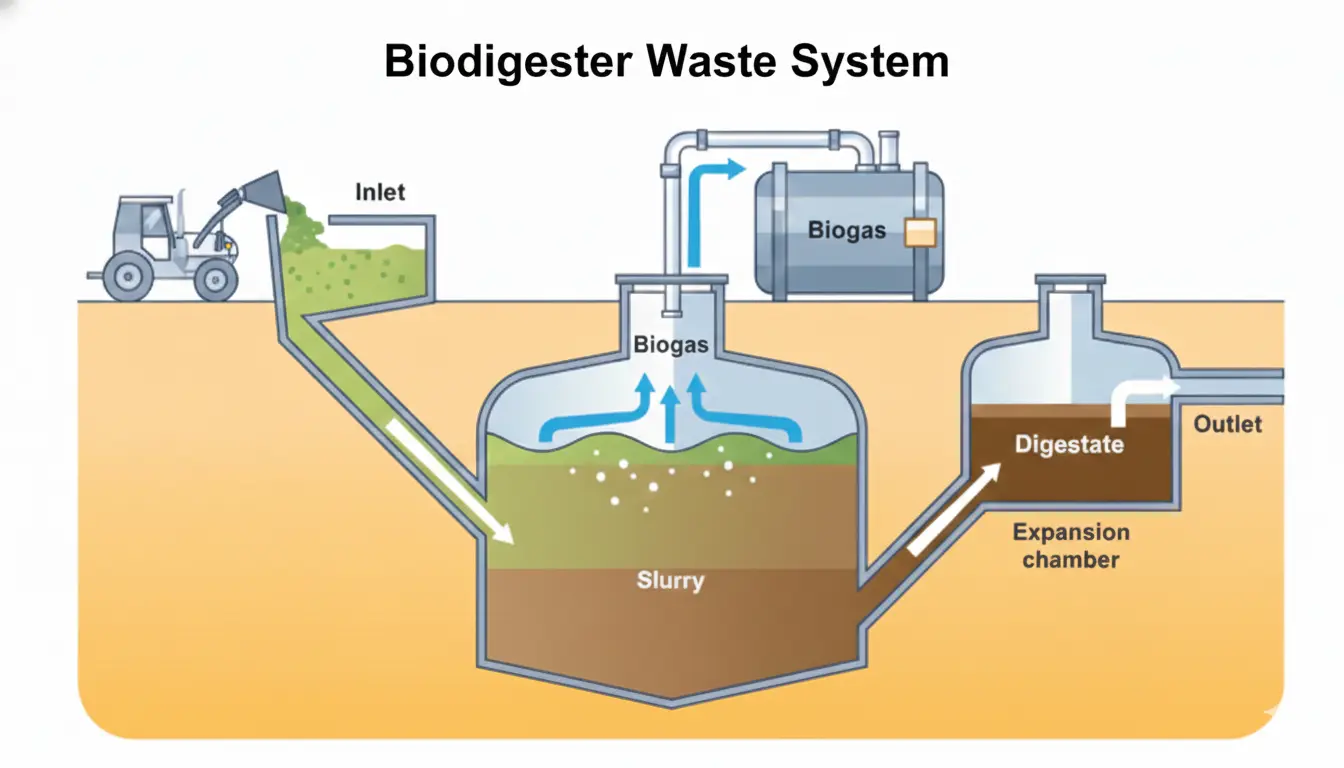
A Biodigestor Waste System was constituted to be fully enclosed, having no oxygen, scientifically termed as the tank that allows decomposition of rubbish and sewage into a combination of gas in a certain amount (biogas) and some liquid of no threat. Biogas can be used for cooking or energy, while the liquid is good for watering plants or can be evacuated out safely into the drain. This is a simple waste management that is done environmentally.
Stainless Steel Bio Digester
A stainless steel biodigester is a durable, corrosion‑resistant biogas unit that treats organic and human waste while producing reusable biogas and nutrient‑rich slurry.
-
Ideal as a stainless steel biogas digester for kitchens, canteens, and farms.
-
Uses high grade stainless steel biomaterial to resist rust and chemical attack.
-
Suitable for on site biodigester septic system and biodigester toilet system installations.
-
Long service life with low maintenance compared to mild steel or concrete units.
What Makes Biodigesters Different from Traditional Septic Tanks
|
Feature |
Biodigester Waste System |
Traditional Septic Tank |
|
Treatment process |
The biodigester anaerobic digestion system continuously breaks down organic waste. |
Mainly settles solids, limited biological treatment. |
|
By products |
Produces biogas and nutrients rich digestate for reuse. |
Produces sludge that needs frequent pumping. |
|
Environmental impact |
Biodigester eco friendly waste system with lower greenhouse gas emissions. |
Higher risk of groundwater contamination and odour. |
|
Space requirement |
Compact biodigester domestic sewage treatment system. |
Larger leach fields are often required. |
|
Maintenance |
Less frequent desludging, automated options available. |
Regular pumping and inspection needed. |
|
Energy recovery |
Biodigester waste to the energy system via biogas combustion. |
No useful energy recovery. |
|
Application flexibility |
Fits biodigester sewage treatment system for homes, hotels, industries. |
Mostly used for domestic blackwater only. |
How do biodigester waste systems work?
Biodigester waste systems are simple biological processes, well controlled to convert organic waste into usable energy and water.
First step: Waste is collected
The commode bug has peepee, food scrapies, and other bio-wastes enter the biodigester through an infeed pipe.
Second step: Making the Anaerobic Environment
The biodigester's tank is closed tightly, creating an anaerobic environment where the growth of microorganisms and the digestion process begins.
Third step: Microbial Breakdown
The special bacteria break down the waste or solids into simpler and more stable compounds in the water waste bio-digester device.
Fourth step: Biogas Production
Methane produced during microbial digestion is collected as biogas, which can be used to cook, heat, or generate electricity.
Fifth step: Effluent clarifications.
The liquid waste is passed over internal baffles and chambers that reduce pathogens and biological oxygen demand (BOD), forming a biodigester waste-processing system. Step 6: Digestate Disposal The next digestate formed from the residual sludge could be composted further inside an in vessel system or through drying beds.
Step 7: Discharge or Water Reuse
The treated water from the biodigester system can be reused, either for gardening, for flushing, or discharge as part of sustainable waste management solutions.
Different Types of Bio Digesters and Their Applications
Different biodigester designs support Decentralized Waste Management Systems for homes, institutions, and industries.
-
Fixed‑dome biodigesters: Long‑lasting civil structures ideal for rural toilets, farms, and community biodigester human waste treatment plants.
-
Floating drum biodigesters: Steel drum gas holders suitable where gas pressure regulation is essential.
-
Plug-flow biodigesters are reactors that are narrow and elongated and are typically designed for farms or livestock and for large commercial food waste management systems.
-
Small compact family biodigesters are small prefabricated units selling mostly as kitchen trash garbage solutions in hostels and canteens.
-
Large scale biodigester installations are generally large groups or communities capable of handling wet waste and sewage treatment from municipalities as an organic waste biodigester organic waste management facility.
-
Portable and marine biodigesters: Units for remote camps, houseboats, and off‑grid sites using a biodigester eco friendly waste system design.
-
Stainless steel biodigesters: Robust systems for corrosive environments, used with Hospital Waste Composting Equipment and food‑processing effluents.
Key Benefits of Using a Biodigester
A well‑designed biodigester sustainable waste management system delivers environmental, economic, and social advantages across sectors.
-
Reduces landfill pressure by diverting organic waste into controlled biodigester waste to energy system operations.
-
Cuts odour and fly nuisance compared to open pits or poorly maintained septic tanks.
-
Produces renewable biogas, lowering LPG or fossil fuel use in homes, hostels, and canteens.
-
Generates nutrient‑rich digestate that can complement an In vessel composting system for high quality compost.
-
Provide on‐site waste management solutions where sewer connections are unavailable or costly.
-
Supporting decentralized waste management systems for residential townships, institutions, and industry.
-
Biodigester septic systems provide a high degree of preservation of groundwater compared to leaky soak pits.
-
Qualifiers on some projects due to green financing, carbon credits, and clean energy incentives, in recognized U. S. EPA and UN climate programs.
Limitations and Challenges of Biodigester Systems
Even a robust biodigester wastewater recycling system needs proper planning, skilled operation, and realistic expectations.
-
Sensitive to feed quality; plastics, chemicals, and non‑biodegradables can clog or poison the process.
-
Requires technical design based on climate, loading rate, and waste type to avoid failure.
-
Start‑up period can be slow as microbial communities stabilize inside the biodigester human waste treatment reactor.
-
Needs periodic inspection and desludging, even if less frequent than septic tanks.
-
Upfront investment is higher than basic pits, especially for stainless steel biodigester units, automated control systems, and Composting Machines for Housing Societies.
-
Poorly managed sites can still cause odour or discharge issues, hurting trust and local acceptance.
Conclusion: Turning Waste into a Long-Term Resource
A well‑planned Biodigester Waste System transforms daily organic waste into clean energy and reusable water, creating long‑term environmental and economic value.
Frequently Asked Questions for Biodigester Waste System
Q1. What is a biodigester and how does it run?
A biodigester is a tank in which organic wastes are broken down by microbes in the absence of oxygen producing biogas and a treated effluent.
Q2. What are the uses of a biodigester in small and large household and enterprise settings?
A biodigester installation serves as an in situ sewage treatment system, stabilization of food waste, and biogas generator, which we refer to as the biodigester organic waste management system.
Q3. How to make and use a biodigester for small‑scale use?
You can basically make a biodigester by closing a tank inlet with a gas vent and consistent supply of waste or purchase it prefabricated by the sewage biodigester system.
Q4. Which one is better on a homeowner's landscape: a biodigester or a traditional biodigester septic tank?
In most cases, yes; if a biodigester produces energy, requires less frequent emptying, and releases cleaner effluent, then one can say that it is better than a traditional septic tank.
Q5. Can biodigesters integrate with other Waste Management Solutions?
Yes, they pair well with Composting Machine for Housing Societies, Canteen Waste Management for Factories, and related Pious brands or Franchise Opportunities.
